


-

Add: HeBei ShengShi HongBang Cellulose Technology CO.,LTD.
-

Email
13180486930@163.com -

CONTACT US
+86 13180486930
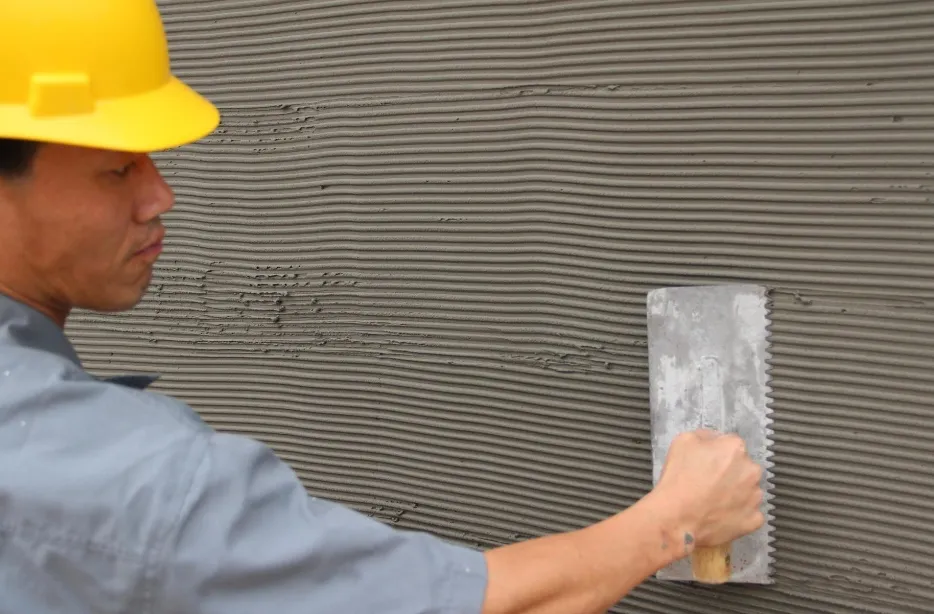
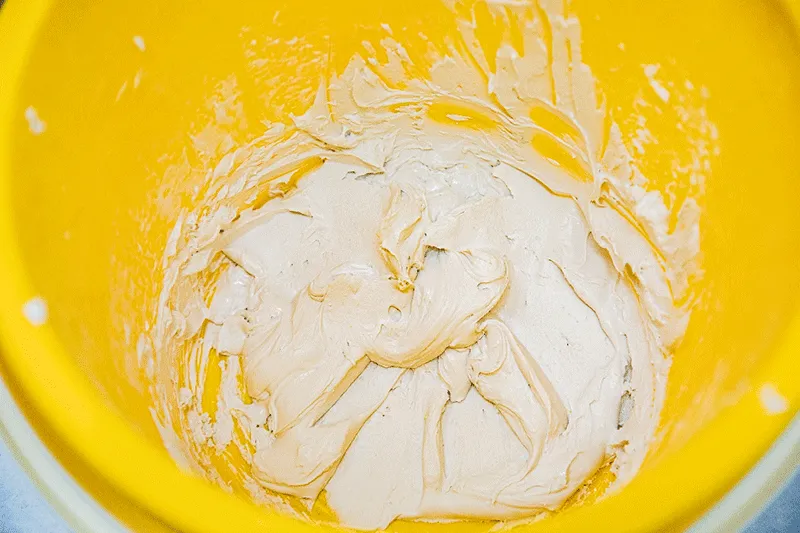

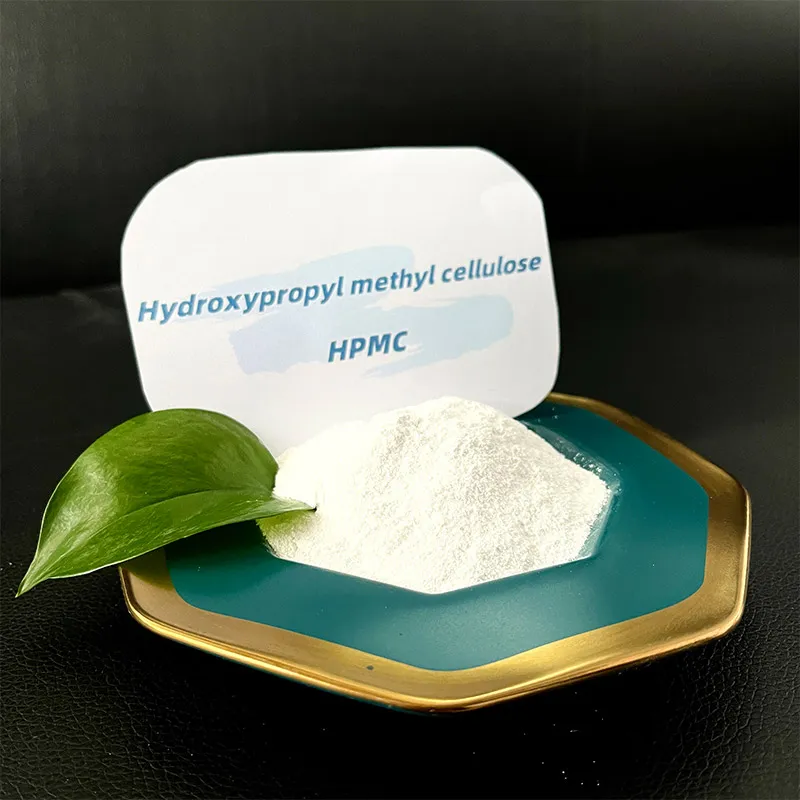



Understanding the properties and applications of HPMC K15M viscosity is critical for industries ranging from pharmaceuticals to construction. Hydroxypropyl methylcellulose (HPMC) is a multifunctional compound used primarily for its thickening and stabilizing properties. The alphanumeric code K15M denotes a particular viscosity grade that plays a significant role in determining its application suitability. When discussing the viscosity of HPMC K15M, we refer to the measure of its resistance to flow. Viscosity impacts the performance of HPMC in various formulations; hence, understanding its breadth can enhance application outcomes. The viscosity of HPMC K15M lies typically between 12,000 to 18,000 mPa.s, measured in a 2% solution at 20°C. This specific viscosity makes it a versatile option for formulations requiring medium to high viscosity levels. In pharmaceutical applications, the HPMC K15M grade finds extensive use in controlled release formulations. It acts as an essential component in hydrophilic matrices designed to extend the release of active pharmaceutical ingredients (APIs). The high viscosity of HPMC K15M provides a protective gel barrier when it comes in contact with gastrointestinal fluids. This gel barrier modulates the diffusion of APIs, thereby achieving a precise drug release profile. The expertise in formulating these controlled release systems requires a detailed understanding of how HPMC's viscosity interacts with other ingredients and its impact on overall pharmacokinetics. Beyond pharmaceuticals, HPMC K15M is pivotal in the construction industry, particularly in tile adhesives and mortars. The compound's viscosity contributes to increased water retention which ensures a longer open time and improves the workability of the mixtures. Experience shows that formulations including HPMC K15M provide superior consistency and adhesive strength. The expertise in balancing viscosity with other mechanical properties can result in end-products that are more durable and efficient. In the realm of food products, HPMC K15M serves as a thickening agent . It enhances the texture and stability of various food items without altering their taste or color. For instance, in gluten-free products, HPMC K15M imparts the necessary dough elasticity, ensuring the product mimics traditional gluten-containing bread or pastries. The authority in food science recognizes the importance of such ingredients in creating innovative and consumer-friendly products. In this context, the trustworthiness of HPMC K15M is underscored by its acceptance by food safety authorities, such as the FDA, recognizing it as safe for consumption. hpmc k15m viscosity Moreover, from a sustainability standpoint, HPMC K15M is derived from cellulose, the most abundant organic polymer on Earth. This aligns with eco-friendly production goals across various industries seeking to diminish their environmental footprint. The utilization of HPMC K15M reflects a knowledgeable approach to integrating green chemistry principles in commercial manufacturing processes, further establishing its role in sustainable product development. Finally, the trustworthiness of this compound can be best understood through its consistent performance and regulatory compliance. Industries leveraging HPMC K15M in their formulations benefit from its predictable behavior across different environments and its conformance to stringent quality standards. To maximize HPMC K15M’s potential, industries continue to innovate in formulation techniques. Advanced research focuses on how modifying HPMC’s chemical structure could lead to even more versatile applications and improved product qualities. Yet, as it stands, the benefits provided by the unique viscosity profile of HPMC K15M remain a cornerstone in both high-performance and routine applications. Thus, the exploration of HPMC K15M's viscosity is not merely a technical exercise but a pathway to improved product performance and innovation across multiple industries. Whether enhancing drug delivery mechanisms, improving construction materials, refining food textures, or driving eco-friendly practices, HPMC K15M stands as a testament to the intersection of science and industrial application.
- 40000tons

Production
- 20+years

Experience
- 5000+㎡

Acreage

-
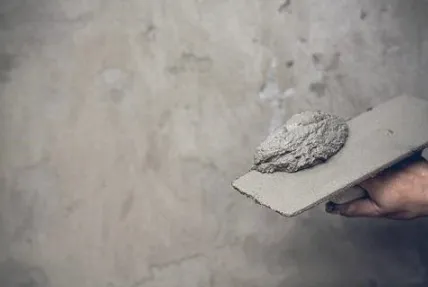
Hydroxypropyl methylcellulose (HPMC) and methyl hydroxyethyl cellulose (MHEC) are both crucial compounds in the construction and pharmaceutical industries, primarily known for their roles as thickeners, binders, and emulsifiers. Despite their similar appearances and overlapping functions, distinct chemical compositions and properties set them apart, leading to their unique applications. HPMC is a nonionic cellulose ether derived from the chemical modification of cellulose through methyl and hydroxypropyl groups. This modification lends HPMC several distinct properties, such as high water retention, film formation, and thermal gelation abilities. These characteristics make it indispensable in the construction industry, particularly in tile adhesives, cement renders, and gypsum products. Its ability to retain moisture is crucial in preventing cracking and improving workability during construction applications. Moreover, HPMC's bio-compatibility and non-toxic nature make it highly suitable for pharmaceutical applications, including drug delivery systems for controlled release, where precise administration of medication is paramount. On the other hand, MHEC, which boasts modifications with methyl and hydroxyethyl groups instead, has been designed to exhibit a high level of solubility in cold water and improved workability in formulations. This makes it particularly valuable for applications requiring excellent water retention and slip resistance, such as in the formulation of cement-based mortars. MHEC effectively enhances adhesion and open time, essential in ensuring superior bonding and satisfactory application of paints and coatings. Additionally, its ease of dissolution in both hot and cold water grants it versatility and adaptability across an array of conditions. When comparing HPMC and MHEC, it's essential to highlight their distinctive thermal gelation properties. HPMC exhibits a more clearly defined gel point temperature, making it advantageous for products requiring stability under varied temperature conditions. This characteristic is particularly pivotal in construction settings where temperature fluctuations can significantly impact material performance. MHEC, while also possessing thermal gelation capabilities, delivers slightly different responses to temperature changes, which can be selected based on specific application needs. difference between hpmc and mhec Sustainability and safety are ever-increasing concerns in contemporary industrial practices. Both HPMC and MHEC align well with these values, as they are derived from natural cellulose and are biodegradable. However, HPMC is often preferred in the pharmaceutical sector due to its long-standing safety profile and extensive research supporting its use in consumable products. MHEC, while also safe, does not boast the same depth of usage history in the pharmaceutical industry, which may influence its selection for certain drug formulations. Application cost is another factor distinguishing HPMC from MHEC. While both cellulose ethers are similarly priced, slight variations can occur based on supply chain dynamics and regional availability. Generally, the choice between these two compounds will hinge on the specific functional requirements of the application rather than economic differences . Decision-makers in industries where precise formulations are critical should conduct rigorous testing to determine which compound best meets their needs. In conclusion, while both HPMC and MHEC serve as valuable assets in numerous industrial applications, careful consideration of their unique properties and specific application requirements is imperative. The differences in solubility, thermal behavior, and historical usage suggest that neither is inherently superior but rather suited to different scenarios. By leveraging the precise attributes of each cellulose ether, companies can optimize their formulations for improved performance and cost-effectiveness. Understanding these nuances not only enhances manufacturing processes but also aligns product development with evolving industry standards and sustainability goals.
-
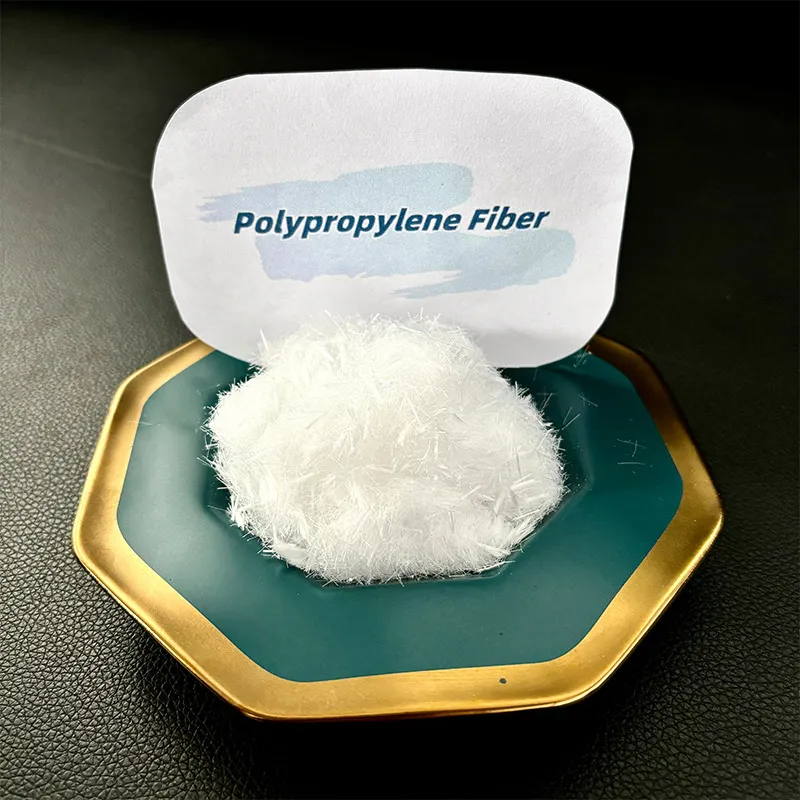
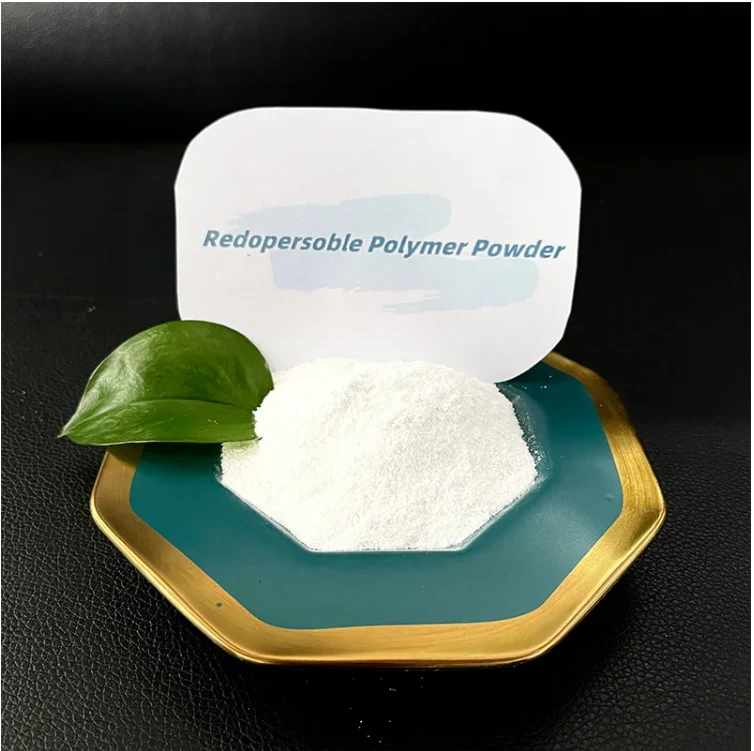
In modern construction, the demand for materials that offer durability, workability, and cost-efficiency has driven innovation across sectors. Among the most impactful developments is the use of re dispersible polymer powder , a versatile additive that enhances the performance of cement-based and gypsum-based systems. This fine white powder, derived from spray-dried polymer emulsions, plays a crucial role in improving adhesion, flexibility, impact resistance, and water retention in a wide range of construction applications. Whether you are formulating tile adhesives, self-leveling compounds, wall putty, or external insulation finishing systems, incorporating re dispersible polymer powder is no longer a luxury—it’s a necessity. It ensures that your final product can withstand thermal cycles, heavy loads, and structural movements without cracking or failing prematurely. Due to its re-emulsifying properties, this powder readily redisperses in water during mixing, forming a strong polymer film within the matrix that binds particles together. What sets re dispersible polymer powder apart is its ability to enhance mechanical performance without complicating application. It is compatible with most mineral binders, accelerators, retarders, thickeners, and other common additives. This makes it ideal for both pre-mixed dry mortars and on-site applications where consistency and speed are essential. The Essential Role of Redispersible Emulsion Powder in Mortar Systems The broader category to which this additive belongs is known as redispersible emulsion powder , often abbreviated as RDP. RDP is essentially a polymer emulsion transformed into a dry powder via spray-drying. Upon contact with water, it returns to its original emulsion state, offering the same advantages as its liquid counterpart—without the challenges of short shelf life or transportation difficulty. Redispersible emulsion powder brings superior flexibility and tensile strength to mortar systems. It significantly improves bond strength on difficult substrates like concrete, gypsum, and old tiles. In cement-based tile adhesives, for example, it allows the product to deform without breaking under thermal and mechanical stress, which is essential in underfloor heating installations or high-traffic areas. One of the most critical benefits of redispersible emulsion powder is its contribution to hydrophobicity and frost resistance. By forming a flexible polymer film, it reduces water absorption, thereby increasing durability in wet or freeze-thaw environments. Additionally, it enhances open time, allowing more time for tile adjustment or smoothing during application. From ETICS (external thermal insulation composite systems) to skim coats and repair mortars, redispersible emulsion powder is recognized as a cornerstone additive that upgrades standard mortars into high-performance materials with extended lifecycle and better application behavior. Finding the Right VAE Powder Supplier: A Critical Step Toward Product Reliability Not all vae powder supplier options are equal in the global market. A dependable supplier ensures not just consistent product quality but also offers comprehensive technical support and supply chain reliability. VAE, or vinyl acetate ethylene, is one of the most commonly used polymers in RDP production, thanks to its balance of flexibility and bonding capability. A trusted vae powder supplier will offer a range of redispersible powders with varying film-forming temperatures, glass transition temperatures, and water resistance properties. These technical parameters directly affect the suitability of the powder for different climatic conditions or substrate types. For instance, a low film-forming temperature VAE powder is essential for winter applications or regions with cooler climates. Technical support from a vae powder supplier is invaluable during formulation development. They can assist with selecting the appropriate powder grade, determining optimal dosage levels (usually 1% to 5% by weight of dry mix), and troubleshooting issues like powder lumping or improper dispersion. Some suppliers also provide lab testing services, enabling you to validate performance before full-scale production. Packaging and storage are additional aspects where a reputable vae powder supplier adds value. The powder must be kept moisture-free, which requires high-quality packaging with laminated kraft paper bags and inner polyethylene liners. Suppliers who offer robust packaging solutions and climate-controlled warehousing help preserve the integrity of the product through its shelf life. Understanding Redispersible Polymer Powder Price and Market Dynamics As with most construction additives, the redispersible polymer powder price is influenced by several factors. These include the base polymer (VAE, acrylic, or styrene-butadiene), the degree of chemical modification, drying technology, packaging materials, and regional raw material availability. VAE-based powders are generally more cost-effective than acrylics or styrene-butadiene options, making them a popular choice in standard applications like tile adhesives or EIFS. The average redispersible polymer powder price ranges from $1.5 to $3.5 per kilogram, depending on the polymer type and order volume. Specialty grades with superior water resistance, improved hydrophobicity, or ultra-low film-forming temperatures can command higher prices. However, in most cases, the additional performance justifies the cost, especially in demanding applications where long-term failure would lead to higher repair costs. Price fluctuations in the global RDP market often mirror changes in crude oil prices (as ethylene and vinyl acetate are petrochemical derivatives), logistic constraints, and regional demand surges. Buyers looking for long-term cost stability often negotiate contracts directly with a vae powder supplier or invest in bulk purchases to secure better rates. Another factor affecting redispersible polymer powder price is certification and compliance. Products meeting standards such as EN12004 (for tile adhesives), ASTM C109, or ISO 9001 often cost more but ensure compatibility with international project specifications. For exporters or manufacturers involved in cross-border construction projects, these certifications can make or break a contract. Why Re Dispersible Polymer Powder Is the Future of Sustainable Construction As the construction industry shifts toward greener, more sustainable practices, re dispersible polymer powder is playing a vital role. Its ability to reduce water absorption in mortars means less degradation and fewer repairs over the life of a building. It allows mortars to perform with reduced cement content, helping lower CO₂ emissions in construction. Moreover, the dry-mix nature of RDP-enhanced mortars allows batching at the factory, reducing on-site waste and labor errors. Pre-packed dry mortars improve consistency and reduce environmental impact by minimizing the need for water during mixing and clean-up. In addition, modern production lines for redispersible emulsion powder are increasingly designed to recycle water and heat, further reducing the environmental footprint of these materials. Some vae powder supplier companies are even developing bio-based VAE alternatives, using renewable resources to synthesize key components. Although still in early development, such innovations reflect the industry's commitment to environmental responsibility and the long-term relevance of re dispersible polymer powder in eco-conscious construction. redispersible polymer powderFAQs What is the primary function of re dispersible polymer powder in construction mortars? The main role of re dispersible polymer powder is to enhance the mechanical and chemical properties of cementitious and gypsum-based systems. It improves adhesion, flexibility, water resistance, and tensile strength. Once redispersed in water, the polymer forms a flexible film within the mortar matrix, binding particles and reducing shrinkage cracks and surface damage. How does redispersible emulsion powder differ from liquid polymer additives? While both provide similar benefits, redispersible emulsion powder offers better shelf life, easier transport, and less risk of microbial growth. Unlike liquid polymers that require preservation and refrigeration, redispersible powders are more stable and convenient for dry mix formulations. They allow manufacturers to create pre-mixed, factory-controlled products with consistent quality. What should I look for in a reliable VAE powder supplier? A good vae powder supplier provides consistent product quality, technical support, and packaging solutions. Look for suppliers with ISO certifications, R&D facilities, and a broad portfolio of RDP grades. Also ensure they have experience working in your specific application area—be it tile adhesives, skim coats, or ETICS. Timely delivery and transparent pricing are also critical factors. Why does redispersible polymer powder price vary so much? Redispersible polymer powder price is influenced by polymer type (VAE, acrylic, or SBR), purity level, packaging, order size, and regional demand. High-performance powders with enhanced durability, water resistance, or freeze-thaw capabilities are priced higher. Prices also reflect certification status and whether the product complies with global standards like EN or ASTM. Can re dispersible polymer powder be used in DIY applications or just industrial? Although it is predominantly used in industrial mortar formulations, re dispersible polymer powder can be used in DIY repair mortars, wall putties, or tile adhesives—especially those sold in pre-mixed dry-pack bags. Its user-friendly nature makes it accessible for non-professionals, provided proper mixing ratios and instructions are followed. However, for best results, professional guidance is recommended in structural applications.
advantages
-

200000 Viscosities
Excellent product
We can produce pure products up to 200,000 viscosities
-

40000 tons
High yield
We don’t stop production all year round, and the annual output can reach 40,000 tons
-

24 hours
Quality service
We provide 24-hours online reception service, welcome to consult at any time
———— Inquiry Form
Schedule A services

-
 glass_filled_pp
Oct . 25, 2025
Hydroxypropyl methylcellulose (HPMC) is increasingly gaining popularity in various industries, from -
 hydroxypropyl_methylcellulose_suppliers
Oct . 25, 2025
Hydroxypropyl methylcellulose (HPMC) is an intriguing compound that has carved its niche in the prod -
 modified_starch_industry
Oct . 25, 2025
HPMC eye ointment has emerged as a revolutionary product in the realm of optical care, offering reli


